Interfaces that get out
of the user's way.
I'm Amerigo William De Pisapia, a UI/UX designer based in Italy. I work the seam between user intent and product response — the moment someone reaches for what they want and either finds it or doesn't. My focus is information design, interaction patterns, and the feedback systems that determine whether a product feels considered or improvised. I work primarily in games — mobile, tabletop, console — but the methodology travels.
Featured UI / UX Work
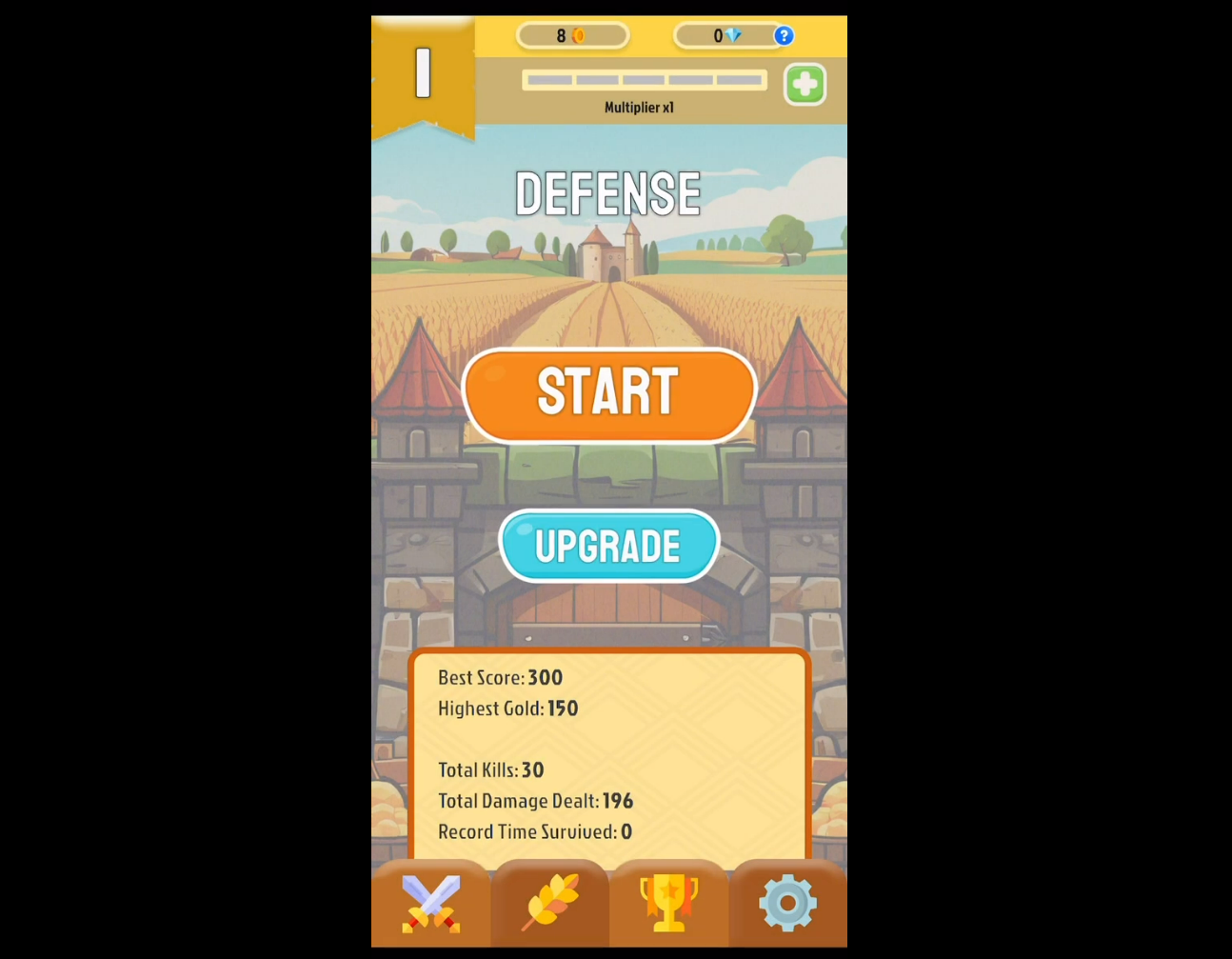
Idle Crops Tycoon — UI Overhaul
The first build shipped working but felt unfinished — buttons didn't respond on press, modals were inconsistent, hierarchy was flat. I led a focused interaction-design pass: a standardized feedback system, a unified modal pattern, gesture-based navigation, and a layer of micro-interactions. Shipped end-to-end in 3 months.
Role: UI / Interaction Designer, UI Engineer
View Case Study →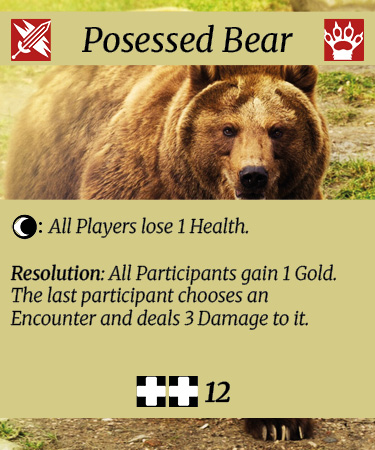
Beyond the Mist — Card & Board Redesign
Six unmoderated user sessions surfaced the same complaint: too much to track. I rebuilt the iconography system, established visual hierarchy on every card, and designed three physical boards as ambient rule containers. Setup time dropped from 15 minutes to 5; the “I get it” moment moved from turn 5 to turn 1.
Role: Solo UI / Information Designer
View Case Study →
About me
I'm a UI/UX designer based in Italy. I came to this work through games — and stayed because the discipline keeps asking the question I find most interesting: how do you design something complex so that it feels simple?
My approach is problem-first and evidence-based. I audit the existing experience, run user sessions, and separate what users say is broken from what's actually breaking. Reframing a complaint into a testable problem statement is where most of the design work happens — once a problem is named clearly, the solution is usually small.
I follow the standard design-thinking loop — Empathize, Define, Ideate, Prototype, Test, Iterate — with a bias for shipping. I implement my own designs in Unity UGUI and Unreal UMG when the team is small, which keeps me honest about what's cheap to build and what isn't.
I think a lot about information design — hierarchy, iconography, the cost of every label — and about feedback systems: the micro-interactions that tell a user the product heard them. These are the invisible parts of an interface, and they're where perceived quality lives.
Let's Make Something Together
I'm always open to discussing UI/UX work, game projects, or just geeking out about interface design.